WHO and Novo Nordisk Foundation partner to advance health workforce education in Ken...

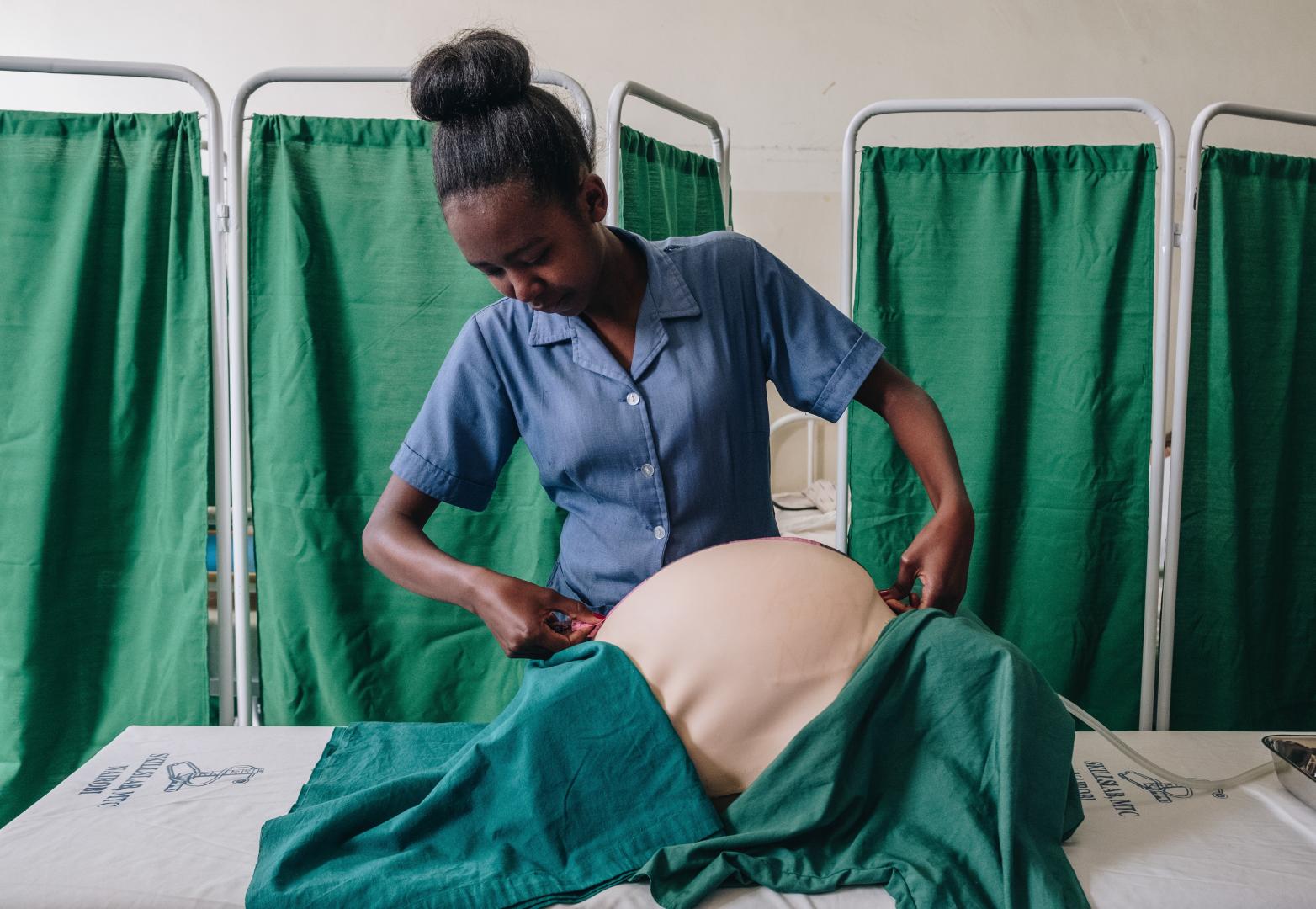
Nairobi—Kenya has made notable progress in health workforce production, including a doubling of nurses, doctors, and other health professionals over the past decade. However, findings from the Health Labour Market Analysis also identify persisting and emerging gaps in the availability of health workers. The analysis projects that to meet the population's health needs, more than 114,000 additional health professionals across 31 different roles will need to be trained, employed, and retained within the health system by 2031.  
Dr Kimambo welcomed as new acting Country Representative to Kenya

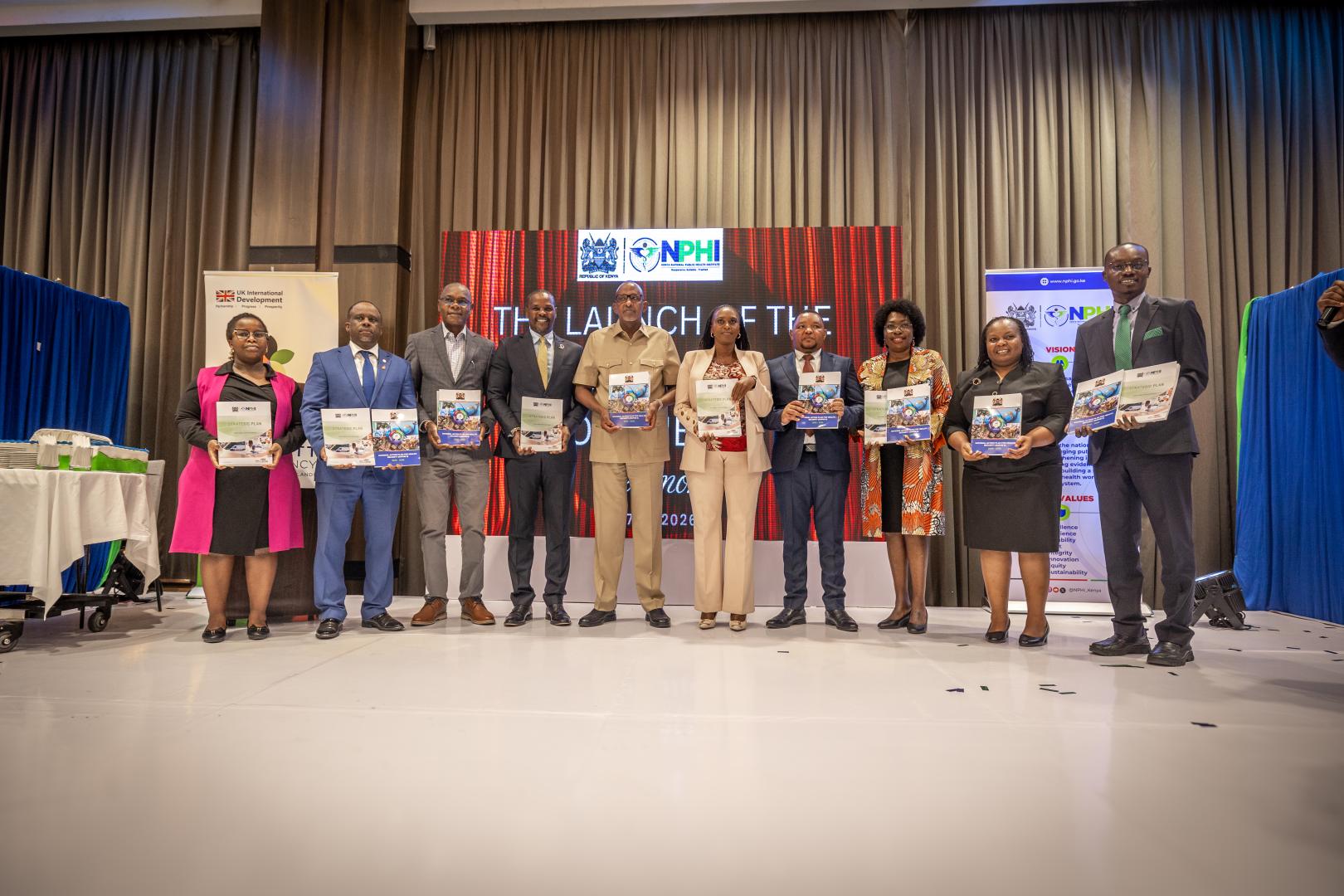
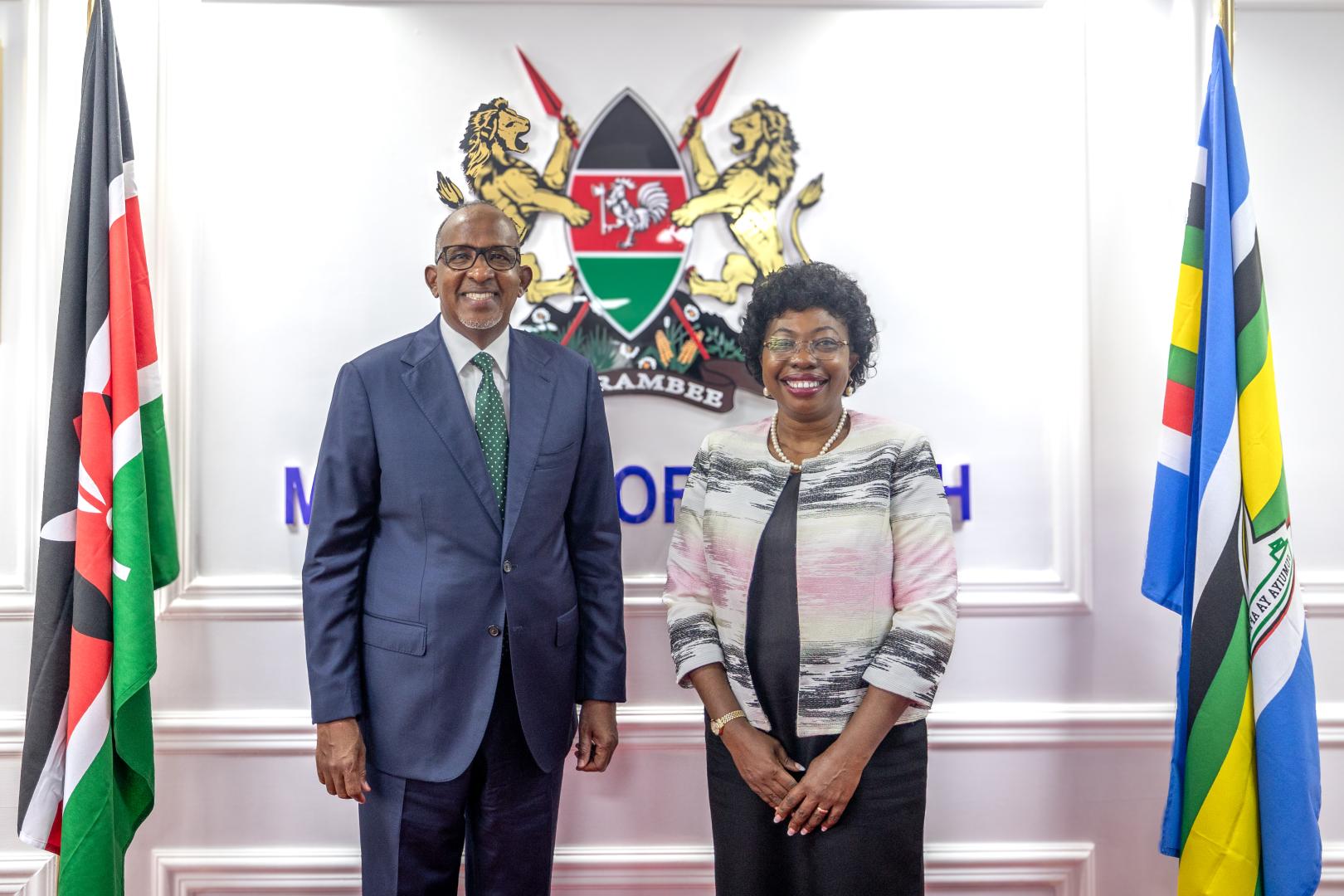
NairobiDr Neema Rusibamayila Kimambo, the new acting WHO Representative to Kenya, held her first official meeting with Cabinet Secretary for Health Honourable Aden Duale on 4 February 2026. The meeting set the agenda for 2026 and reaffirmed WHO's commitment to supporting the Ministry of Health.

Improving lives of people affected by lymphatic filariasis in Kenya

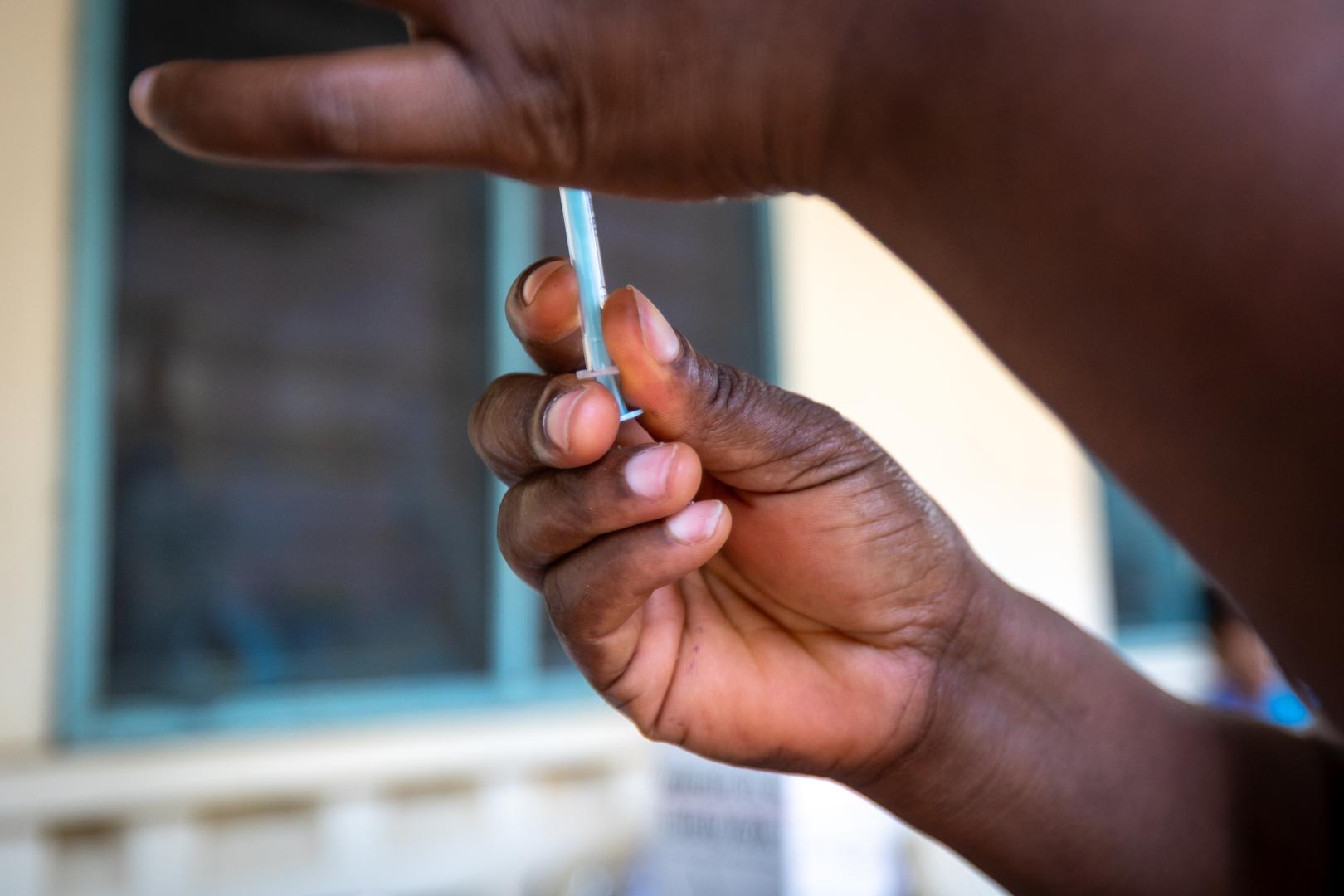
Nairobi—Kenya is accelerating efforts to eliminate lymphatic filariasis, commonly known as elephantiasis, as a public health problem by 2027. Yearly mass drug administration carried out between 2016 and 2022 have effectively halted transmission of the disease—a painful and disfiguring mosquito-borne infection that can cause permanent disability.

Protecting communities to eliminate lymphatic filariasis in Kenya

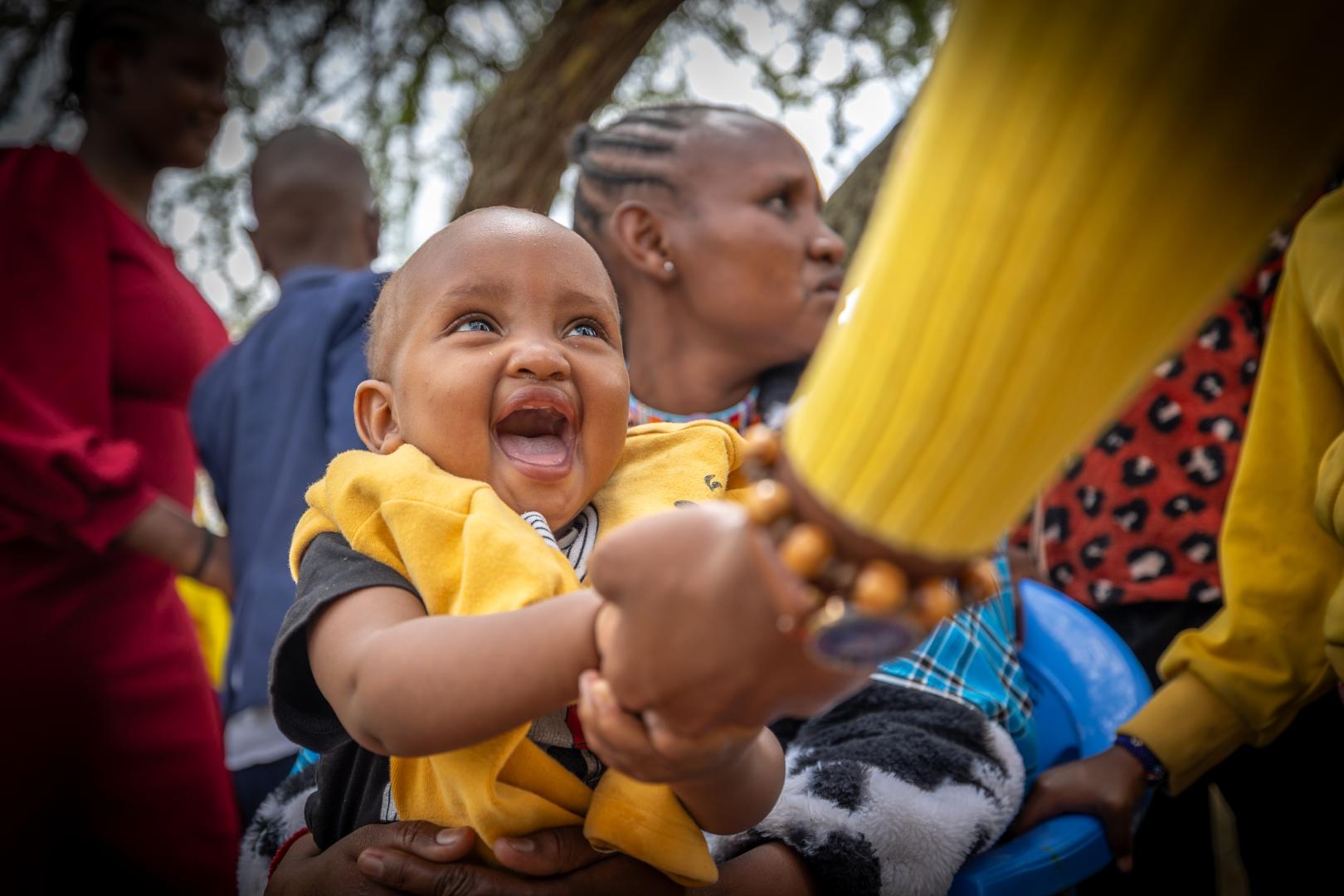
NairobiIn Kenya, regular mass drug administration is protecting a new generation from the effects of lymphatic filariasis, commonly known as elephantiasis ‒ a neglected tropical disease that affects the lymphatic system and can lead to the abnormal enlargement of body parts, causing pain, severe disability and social stigma.